Go (1999): This forgotten neo-noir is packed with familiar young faces

Go was a film that came and went in relative obscurity near the end of the 20th century and has remained well below the cultural surface.
It definitely was a product of its time, one of a boatload of Pulp Fiction derivations that fought for attention in the latter half of the 1990s.
It is an interesting and rewarding watch, particularly if you were a fan of all those Tarantino-esque crime adventures of the era.
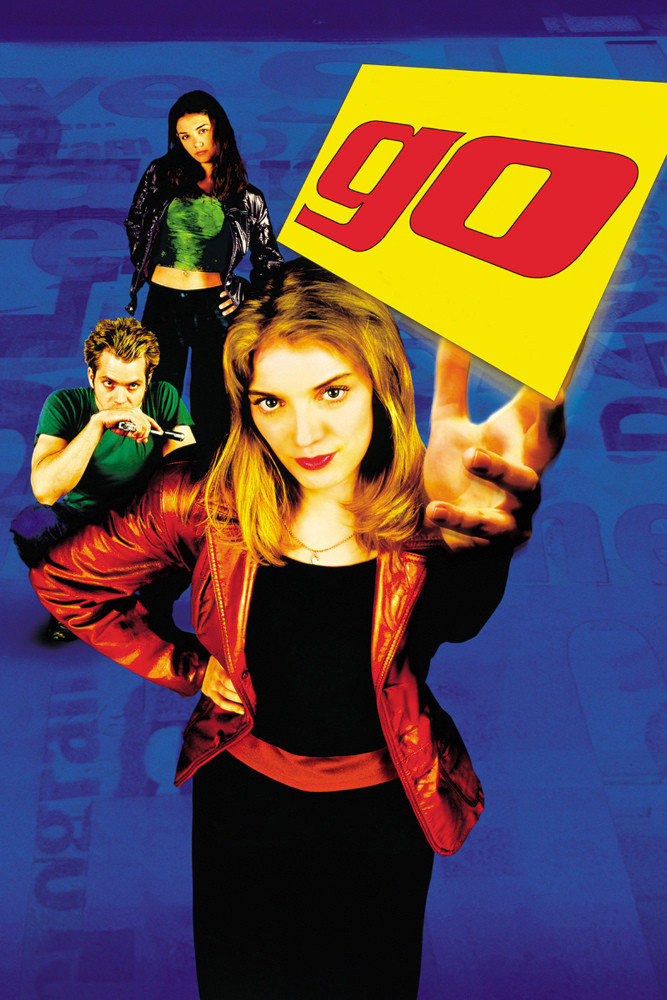
Go gives us a fascinating early look at several faces we've gotten to know pretty well in the past couple of decades.
Katie Holmes, Jay Mohr, Timothy Olyphant, Jane Krakowski and Melissa McCarthy are among the notables I recognized. All were in the formative stages of their careers when they appeared in Go.
Go was the first feature film written by John August, who went on to pen the megahit Charlie's Angels and five Tim Burton films -- including Big Fish and Charlie And The Chocolate Factory.
Director Doug Limon was coming off the success of Swingers, in 1996, and moved onto The Bourne Identity in 2002.
Go is a montage of three concurrent stories that all start in a neighborhood grocery store in LA and converge at a rave later in the film.
Two grocery clerks played by Holmes and Sarah Polley buy ecstasy from a distributor played by Olyphant to sell at the rave to raise money for rent.
Their drug-dealing co-worker, meanwhile, leaves with three friends for a weekend in Las Vegas, where they steal a car and later get crosswise with a strip-club bouncer.
Mohr and Scott Wolf are a couple of TV actors who get caught up in a sting targeting the ecstasy network.
Car chases and shootings and assaults and other hijinks ensue. It's a well-paced, action-packed, timeline-fractured, darkly funny movie. And, of course, it's exciting to see all these well-known faces at a time when they all were working to break through.
I give Go 3.5 stars on Letterboxd. It was well on its way to 4 stars through the first two acts, but I was deflated by its limp ending, which felt like it might have been a compromise to please a test audience.
Critics in its day liked it for the most part. But it didn't do much at the box office -- barely getting over its $20 million budget in worldwide ticket sales.
Today, it has a 91% score at Rotten Tomatoes, and the average Letterboxd rating is 3.7 out of five stars, which is pretty solid.
It isn't on any free or subscription streaming services. Blu-ray and DVD editions are long out of print. But it is readily available at all the places as a digital rental or purchase.


Comments
Post a Comment
No spamming, please. Comments containing links to external sites will be removed.